

Amber has fascinated humanity for centuries. With its warm golden glow and organic origins, it is often seen as more than just a beautiful gemstone. In 2025, as natural wellness trends continue to grow, amber has once again found itself in the spotlight—this time as a supposed healing tool.
From amber teething necklaces to claims about energy cleansing and pain relief, the internet is full of bold statements about its benefits. But how much of this is actually true?
In this article, we explore the healing properties of amber, separating fact from fiction, and helping you make informed decisions about its use.
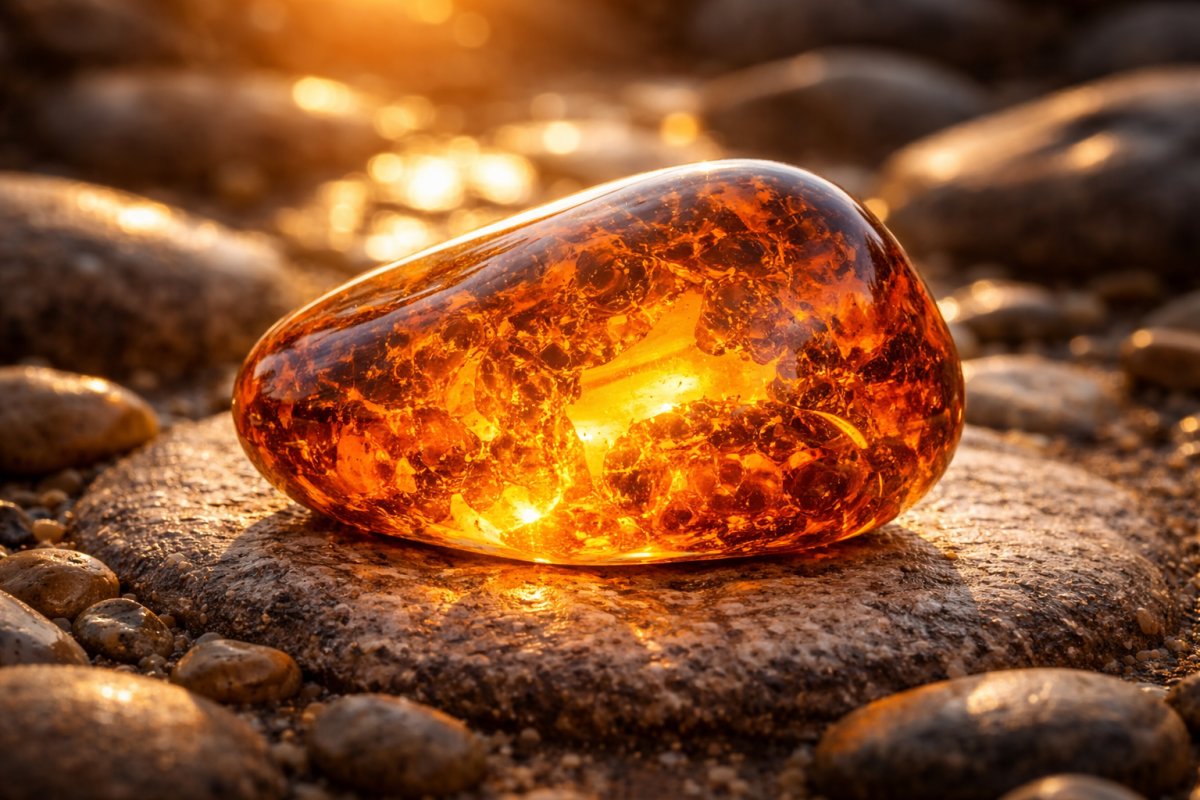
What Is Amber?
Amber is not a traditional mineral gemstone. Instead, it is fossilized tree resin that formed millions of years ago. Over time, the resin hardened and preserved organic materials such as plant fragments and even insects, making amber a unique window into prehistoric life.
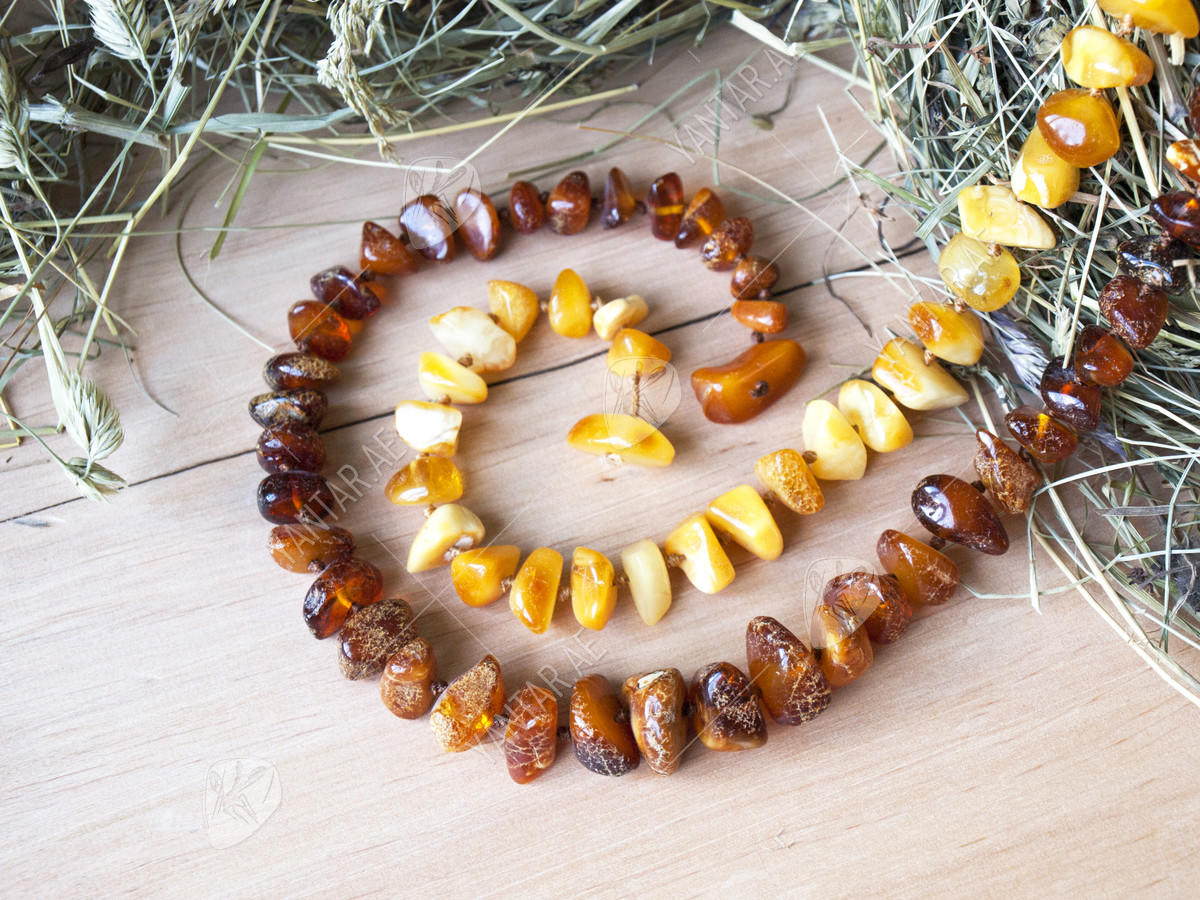
Amber is found in various regions, including the Baltic area, which is one of the most well-known sources. It comes in a variety of colors—most commonly golden yellow, but also green, red, and even blue.
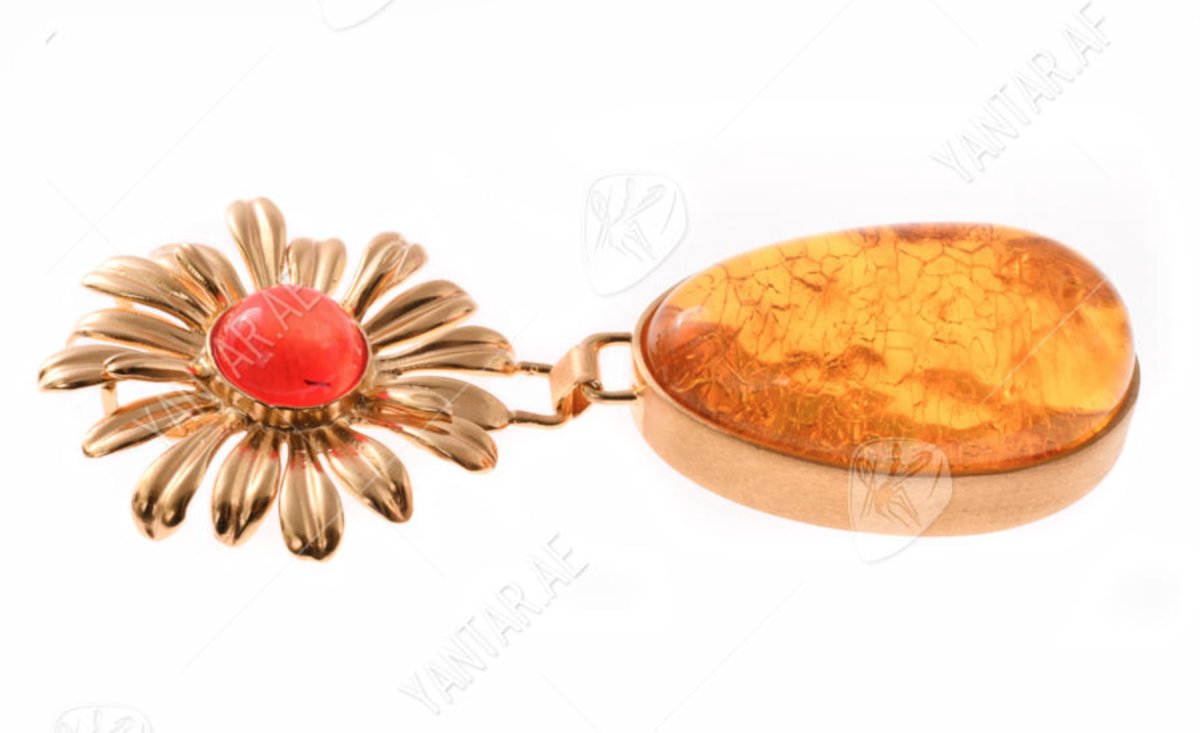
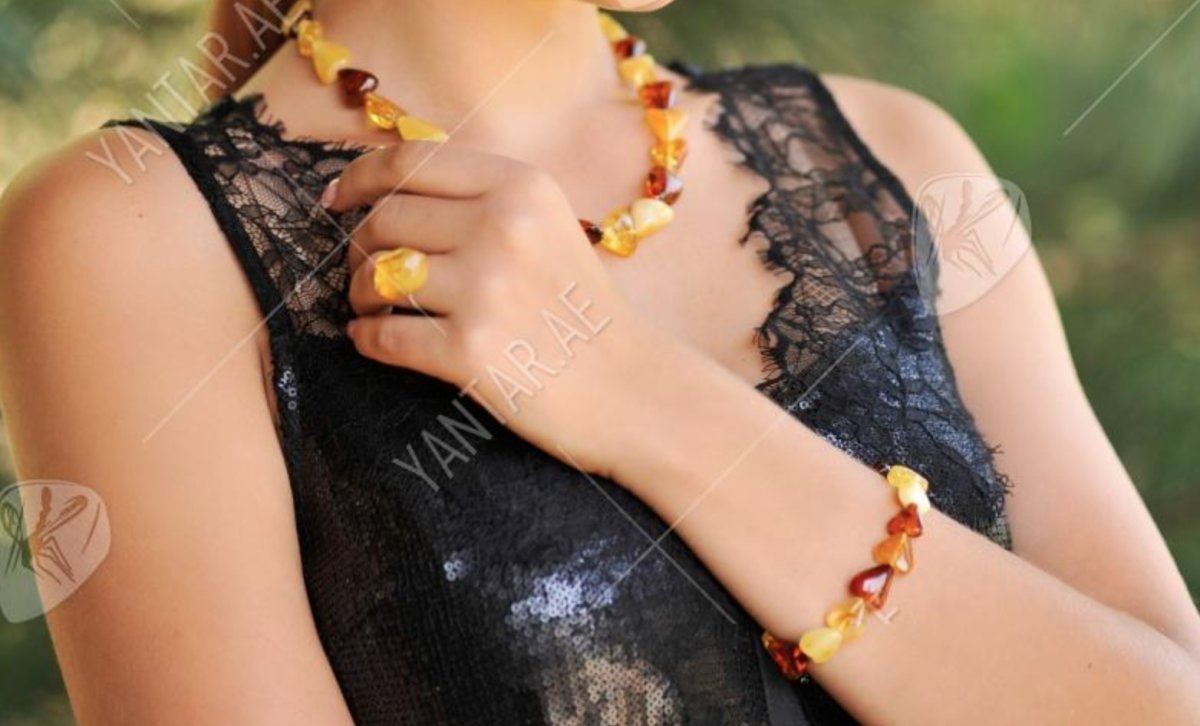
Today, amber is widely used in jewelry, from elegant necklaces to statement rings. Beyond its aesthetic appeal, it is also deeply rooted in cultural and healing traditions.
Historical Beliefs About Amber’s Healing Powers
The belief that amber possesses healing properties dates back thousands of years. Ancient civilizations in Europe, Asia, and the Middle East valued amber not only for its beauty but also for its supposed protective and medicinal qualities.
In ancient Greece, amber was associated with the sun and believed to carry life-giving energy. In traditional Chinese medicine, it was used in powdered form to calm the mind and promote circulation. Across many cultures, amber was worn as an amulet to ward off evil spirits and negative energy.
These long-standing traditions have contributed to amber’s reputation as a natural healer—a belief that still persists today.
Popular Healing Claims About Amber
In modern wellness culture, amber is often promoted as a natural remedy for various physical and emotional issues. Let’s take a closer look at the most common claims.
1. Pain Relief
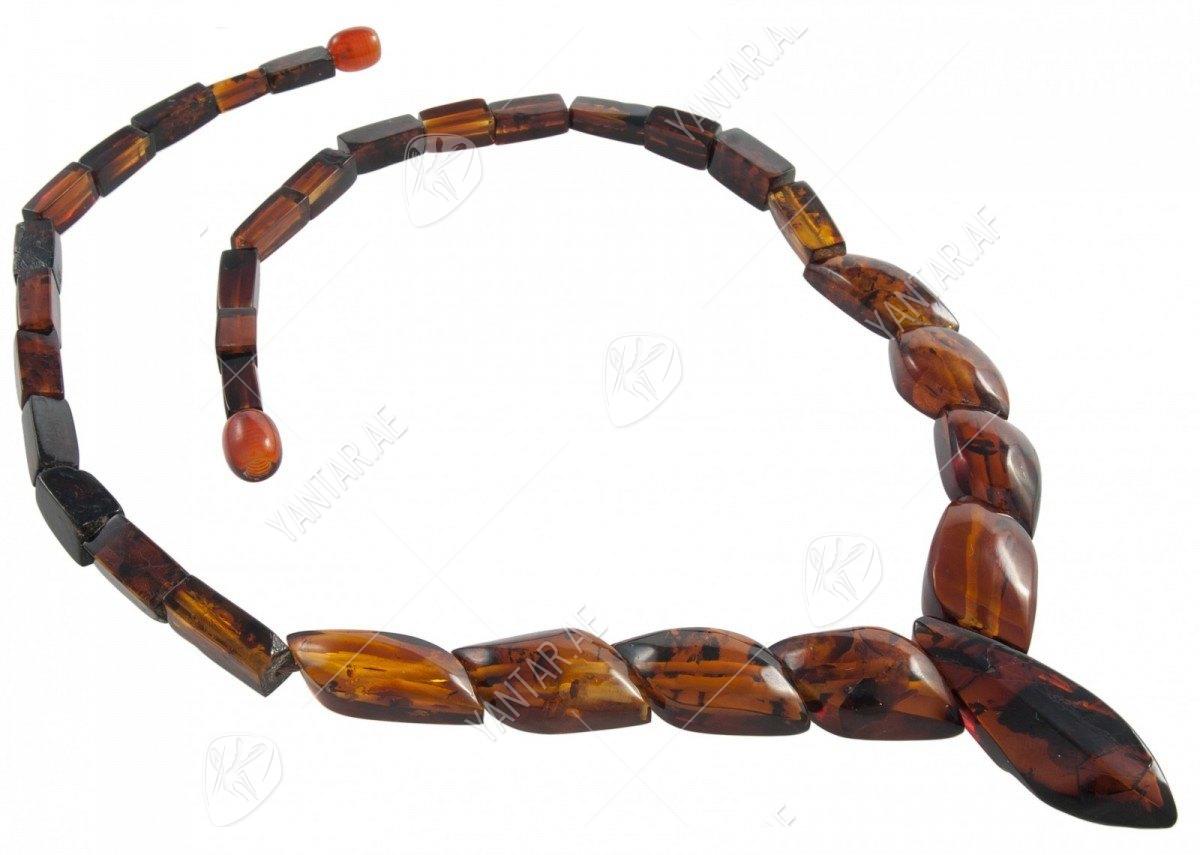
One of the most widespread beliefs is that amber can relieve pain, particularly in babies during teething. Amber teething necklaces are marketed as a natural alternative to medication, with claims that they reduce inflammation and discomfort.
2. Energy and Emotional Balance
Amber is often associated with absorbing negative energy and promoting emotional stability. Some holistic practitioners believe it helps balance the body’s energy and supports mental clarity.
3. Immune System Support
Another claim is that amber can boost the immune system and aid in detoxification. This belief is often linked to the presence of succinic acid, a natural compound found in amber.
Scientific Perspective: What Does Research Say?
Despite the popularity of these claims, scientific evidence supporting amber’s healing properties is extremely limited.
Amber does contain small amounts of succinic acid, which has been studied for potential health benefits in controlled environments. However, there is no credible evidence that succinic acid can be absorbed through the skin in meaningful amounts by simply wearing amber jewelry.
Most medical experts agree that there is no proven mechanism by which amber can reduce pain, improve immunity, or balance energy fields.
In many cases, the perceived benefits may be explained by the placebo effect—a psychological phenomenon where belief in a treatment leads to a perceived improvement in symptoms.
Amber Teething Necklaces: Safety and Controversy
Amber teething necklaces have become especially popular among parents seeking natural remedies. However, they are also one of the most controversial uses of amber.
Medical organizations warn that these necklaces pose serious safety risks, including choking and strangulation. There is also no scientific evidence that they effectively relieve teething pain.
For these reasons, many health professionals strongly advise against using amber necklaces for babies, emphasizing that safety should always come first.
Fact vs Fiction: Breaking Down the Myths
- Myth: Amber relieves pain and inflammation
Fact: There is no scientific evidence to support this claim - Myth: Amber releases healing substances through the skin
Fact: There is no proof that succinic acid is absorbed this way - Myth: Amber protects against negative energy
Fact: This is a spiritual belief, not a scientifically proven effect - Myth: Amber boosts the immune system
Fact: No clinical studies confirm this benefit
Why People Still Believe in Amber Healing
Despite the lack of scientific support, many people continue to believe in amber’s healing powers. There are several reasons for this.
First, tradition plays a significant role. Amber has been used in cultural practices for centuries, and these beliefs are often passed down through generations.
Second, the rise of social media and wellness influencers has amplified interest in natural remedies, including amber.
Finally, there is the emotional aspect. Wearing amber jewelry can provide a sense of comfort, calm, and connection to nature—even if the effects are not medically measurable.
Modern Uses of Amber in 2025
In 2025, amber remains highly popular, especially in the fashion and jewelry industries. Designers are embracing its organic beauty, incorporating it into both classic and contemporary styles.
Amber is also featured in wellness marketing, often positioned as a “natural” and “holistic” product. However, consumers are becoming more informed and are increasingly seeking transparency and evidence-based claims.
Sustainability is another important trend. Ethical sourcing of amber is gaining attention, with brands emphasizing responsible practices and authenticity.
.jpg)
Is There Any Real Benefit?
While amber may not have proven medical benefits, it still offers value in other ways.
Its warmth, texture, and natural origin can provide sensory comfort. For many people, wearing amber is a form of self-expression and a connection to history and nature.
There is also psychological value. If wearing amber makes someone feel calmer or more confident, that experience is real—even if it is not scientifically measurable.
The key is to distinguish between emotional benefits and medical claims.
Expert Opinions
Medical professionals generally agree that amber should not be relied upon for health treatment. There is no clinical evidence supporting its use as a healing tool.
On the other hand, some holistic practitioners acknowledge its symbolic and emotional significance. They emphasize that while amber may not cure physical conditions, it can still play a role in personal wellness rituals.
A balanced perspective is essential—appreciating amber for what it is, without overestimating its capabilities.
How to Use Amber Safely
- Wear amber as jewelry for style and personal expression
- Avoid using amber necklaces for babies or young children
- Purchase from reputable sources to ensure authenticity
- Treat amber as a decorative and cultural item, not a medical solution
Amber continues to captivate people around the world with its beauty, history, and symbolism. In 2025, it remains a popular choice in both fashion and wellness spaces.
However, when it comes to healing properties, the evidence simply does not support most of the claims. While amber may offer emotional comfort and aesthetic value, it should not be seen as a substitute for medical treatment.
Understanding the difference between fact and fiction allows you to appreciate amber in a realistic and meaningful way.
FAQ Section
Does amber really have healing properties?
There is no scientific evidence that amber has proven healing effects on the body.
Can succinic acid be absorbed through the skin?
Current research does not support the idea that it is absorbed in meaningful amounts through wearing amber.
Are amber teething necklaces safe?
No, they are considered a safety risk and are not recommended by medical professionals.
Why is amber so popular in wellness trends?
Its natural origin, historical significance, and appealing appearance make it attractive in modern holistic lifestyles.


 Jewelry
 Silver amber jewelry
 Amber pictures
 Souvenirs