

A clear, beginner-friendly explanation of the Maghrib prayer — from timing and rakats to step-by-step actions, common mistakes, and recommended duas.
Maghrib prayer holds a special place in a Muslim’s daily worship. It is the first prayer that takes place after sunset, marking the transition from day to night. For many beginners, reverts, or those refreshing their knowledge, learning how to correctly perform Maghrib Salah can feel a little overwhelming at first. This guide explains everything clearly — from prayer timings to each rakat — so you can pray with confidence and understanding.
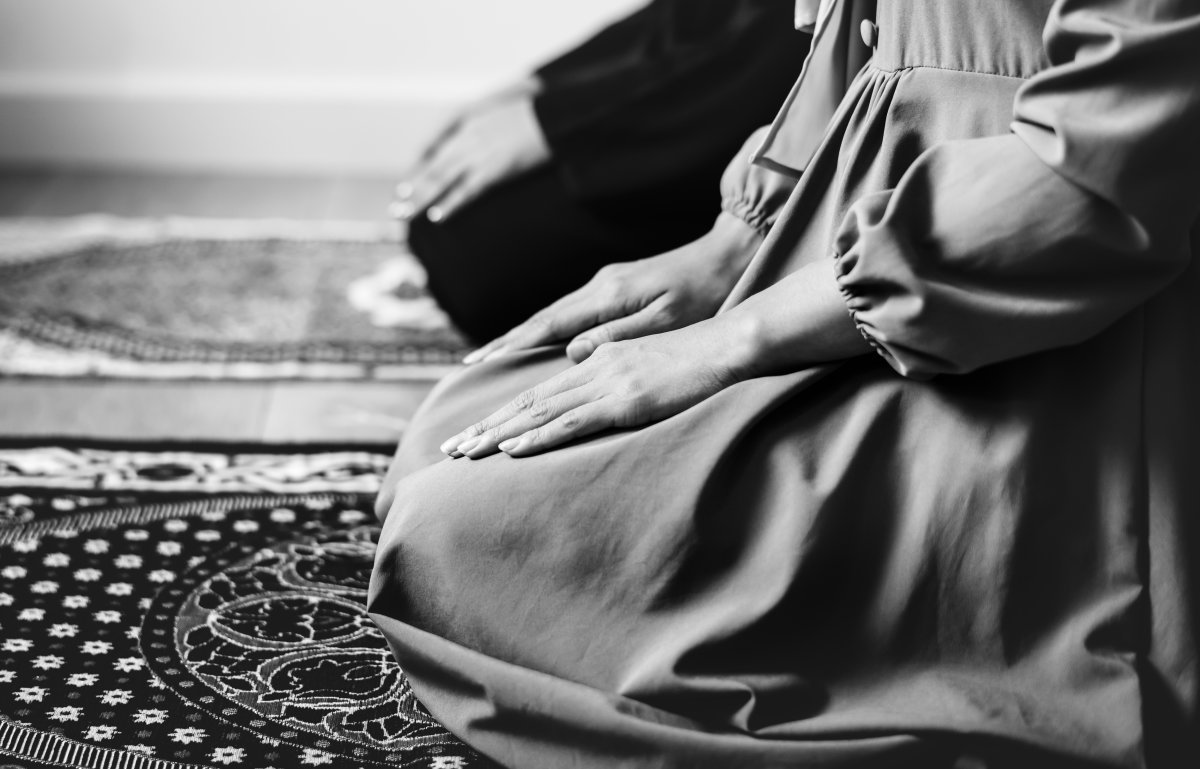
What Time Is Maghrib Prayer?
Maghrib begins immediately after the sun sets. This is the moment when the upper edge of the sun disappears completely below the horizon. The time lasts until the beginning of Isha prayer, which usually enters about 60–90 minutes after sunset, depending on the season and location.
Because Maghrib time is short, Muslims are encouraged to pray it soon after the adhan. Whether you are at home, traveling, or in the mosque, praying Maghrib early is one of the Sunnahs of the Prophet Muhammad (peace be upon him).
Note: Although Maghrib time continues until Isha, scholars emphasize that delaying it without a valid reason is discouraged. Ideally, Maghrib should be offered as soon as possible after sunset.
How Many Rakats Are in Maghrib Salah?
Maghrib consists of three main parts:
- 3 Rakats Fard (obligatory)
These must be prayed and cannot be skipped. They are recited out loud (audibly) by men, similar to Fajr and the first two rakats of Isha. - 2 Rakats Sunnah Mu’akkadah (highly recommended)
These are prayed immediately after the obligatory prayer and carry great reward. - Optional Nafl Rakats
These are not required but provide extra spiritual benefit for those who want to increase their worship.
The main focus for beginners is learning the 3 Fard Rakats, which are the essential part of Maghrib Salah.
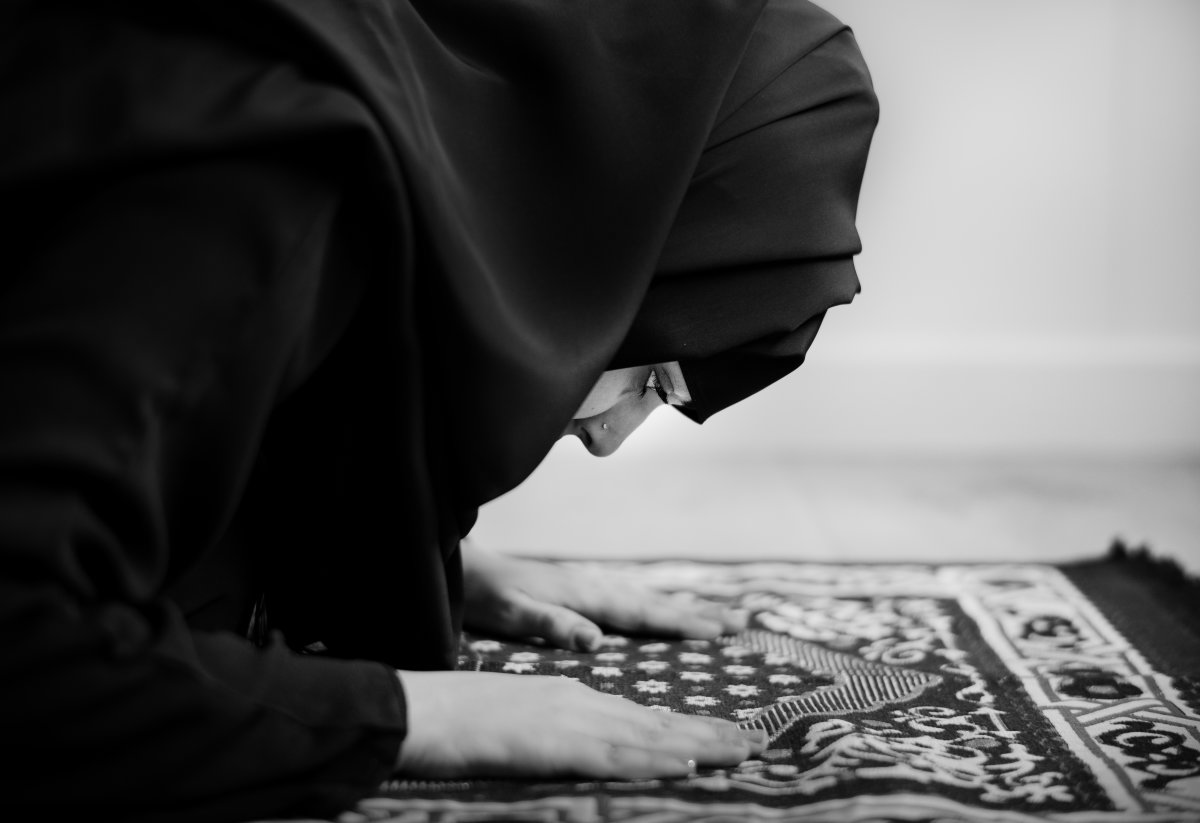
How to Pray the 3 Fard Rakats of Maghrib: Step-by-Step Guide
Below is a beginner-friendly breakdown of how to perform Maghrib prayer correctly.
1. Preparation Before Prayer
Before you begin:
- Perform wudu (ablution).
- Face the Qibla (toward the Kaaba in Mecca).
- Make a sincere intention in your heart: “I intend to pray the Maghrib fard prayer for Allah.”
There is no need to say the intention out loud.
First Rakat
- Takbir al-Ihram
Raise your hands to your ears and say: “Allahu Akbar.” - Place hands and begin recitation
Men place hands on the chest or above the navel. Women place hands on the chest. Recite: Surah Al-Fatiha and any short surah (e.g., Al-Ikhlas, Al-Falaq). - Ruku (bowing)
Say: “Allahu Akbar.” Bend at the waist, with the back straight, and say: “Subhana Rabbiyal Adheem” (3 times). - Stand up from Ruku
Say: “Sami’Allahu liman hamidah.” Then while fully standing say: “Rabbana wa lakal hamd.” - Sujud (prostration)
Say: “Allahu Akbar.” Lower yourself into prostration and say: “Subhana Rabbiyal A’la” (3 times). Sit briefly, say Allahu Akbar, then perform a second prostration. This completes the first rakat.
Second Rakat
Repeat the same steps:
- Recite Al-Fatiha
- Recite a short surah
- Perform ruku
- Stand
- Perform two sujuds
After the second sujud, sit for the first Tashahhud: “At-tahiyyatu lillahi…” After finishing the first portion, stop here and do not complete the salawat yet. Stand up for the third rakat.
Third Rakat
When you stand up:
- Say Allahu Akbar
- Recite Al-Fatiha only (no additional surah is needed)
Then perform:
- Ruku
- Standing
- Two sujuds
After the second sujud, sit for the final Tashahhud. This time recite: At-tahiyyat, the salawat on the Prophet (e.g., “Allahumma salli …”), and any dua you know. Finish the prayer by turning your head to the right and saying: “Assalamu alaikum wa rahmatullah.” Then to the left: “Assalamu alaikum wa rahmatullah.”
This completes the 3 Fard Rakats of Maghrib.
.png)
How to Pray the Sunnah After Maghrib
After finishing the obligatory part, it is recommended to pray 2 Rakats of Sunnah Mu’akkadah. These are prayed silently and follow the same structure as any two-rakat prayer:
- Takbir
- Al-Fatiha + short surah
- Ruku, sujud
- Second rakat
- Tashahhud
- Tasleem (salam)
Praying these Sunnah rakats brings additional blessings and was consistently practiced by the Prophet.
Common Mistakes to Avoid
- Delaying Maghrib too long — pray it soon after adhan.
- Reciting silently — the 3 Fard Rakats of Maghrib should be recited out loud by men; women may recite quietly.
- Skipping the first Tashahhud — this is a required part of the prayer.
- Incorrect posture — maintain calm, steady movements instead of rushing.
- Not learning Al-Fatiha properly — it is recited in every rakat.
Duas and Dhikr After Maghrib
After finishing Salah, it is recommended to spend a few minutes in dhikr and supplication:
- Saying Astaghfirullah three times
- Reciting Ayat al-Kursi
- Saying SubhanAllah (33 times), Alhamdulillah (33), Allahu Akbar (34)
- Making personal dua
Maghrib is a spiritually significant time, ideal for asking Allah for guidance, protection, and blessings.
Tips for Beginners and New Muslims
- Watch step-by-step videos to practice the movements.
- Pray with someone who already knows the steps.
- Use a prayer mat facing the Qibla to help with orientation.
- Don’t worry about mistakes — consistency brings improvement.
- Focus on praying slowly and with meaning instead of rushing.
Maghrib Salah may feel detailed when you first learn it, but with practice, the steps become natural and peaceful. It is a beautiful moment of transition — from day into night — filled with spiritual reward. By understanding the correct structure, praying on time, and practicing regularly, you can establish a strong and meaningful connection to this essential daily prayer.


 Jewelry
 Silver amber jewelry
 Amber pictures
 Souvenirs